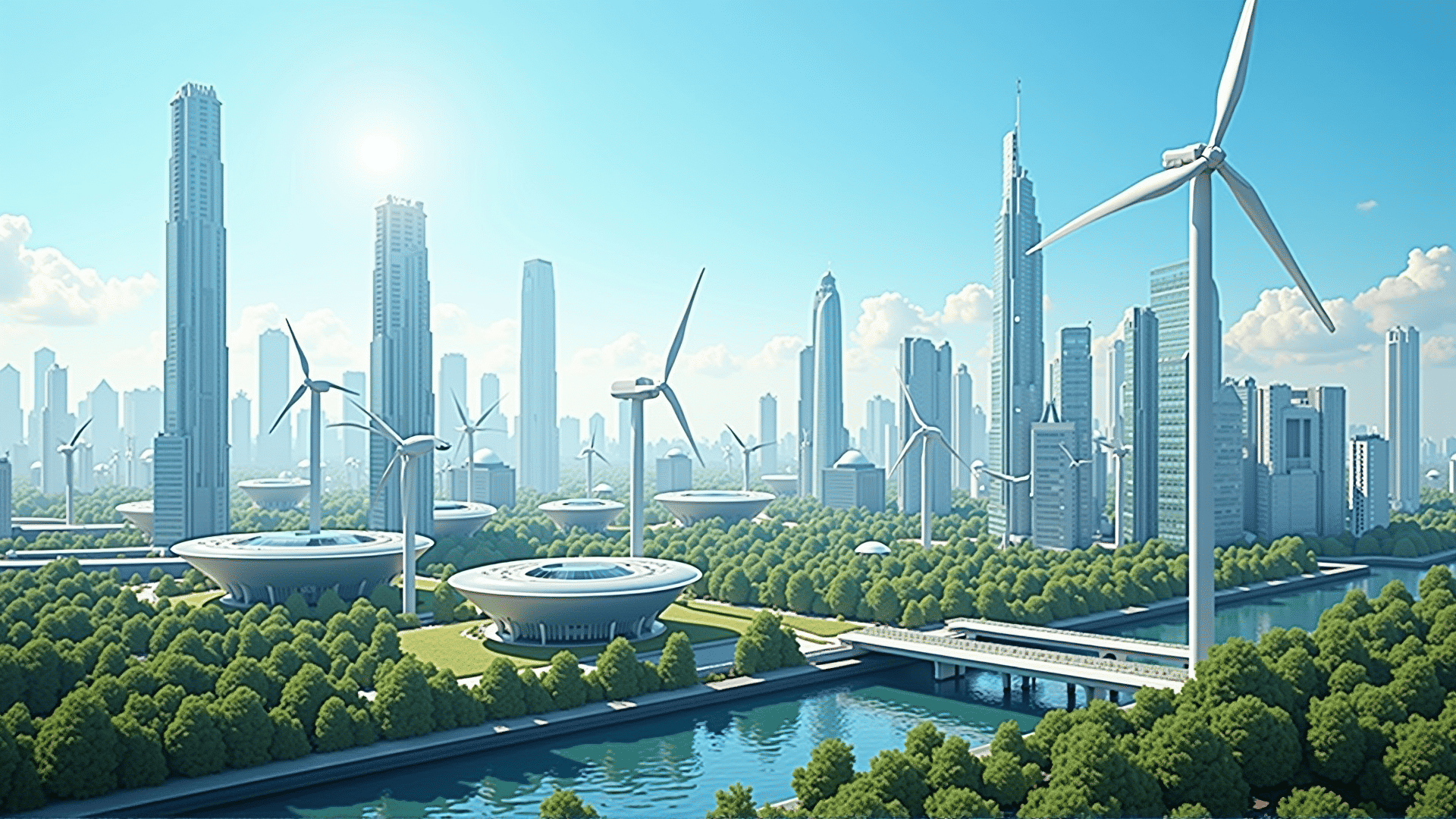
The world is on the brink of a significant transformation in the way it produces and consumes energy. With the escalating concerns over climate change, dwindling fossil fuel reserves, and growing energy demands, the spotlight has turned to renewable energy sources. Among the most promising solutions are innovations in solar and wind energy technologies, both of which are poised to redefine the global energy landscape in the coming decades.
Solar energy has long been hailed as a panacea for clean and sustainable power. However, its potential has often been hamstrung by limitations in efficiency and storage. Today, new technologies are changing that narrative. Advances in photovoltaic materials, such as perovskites, offer a promising alternative to traditional silicon-based solar cells. These materials are not only cheaper but also lighter and more flexible, with potential efficiency rates surpassing current standards. Moreover, the development of solar skins that blend into architectural designs is making it easier to integrate solar power in urban settings, paving the way for solar-powered cities.
Energy storage, a persistent challenge for solar and other renewable energy sources, is another area witnessing groundbreaking advancements. The advent of solid-state batteries heralds a new era of energy storage solutions. These batteries promise greater energy density, faster charging times, and enhanced safety features compared to liquid electrolyte-based lithium-ion batteries. Such developments are crucial in overcoming the intermittency of solar power and ensuring a consistent energy supply during non-sunny hours.
Wind energy is experiencing its own technological revolution. The development of larger, more efficient turbine designs, coupled with advancements in materials technology, is increasing the viability of wind power even in regions previously considered unsuitable. Offshore wind farms, leveraging cutting-edge floating turbine technology, are expanding in capacity and scope, capable of harnessing wind energy in deep waters beyond coastal constraints. This transition not only augments the potential wind energy supply but also minimizes the environmental impacts associated with land-based turbines.
Artificial intelligence and data analytics are playing significant roles in optimizing the operation and maintenance of renewable energy systems. Predictive algorithms can now analyze data in real-time to forecast energy production and preemptively address maintenance needs, thereby reducing downtime and maximizing efficiency. Moreover, AI-assisted grid management is facilitating the integration of variable renewable energies into national grids, allowing for smoother transitions and improved reliability.
Hydrogen technology is emerging as a compelling complement to solar and wind. With the development of more efficient electrolysis processes, renewable hydrogen production is becoming increasingly feasible. This clean energy carrier can store excess renewable energy and serve as a fuel for transportation and industrial applications, offering a versatile solution to decarbonizing various sectors.
Countries around the globe are escalating their investments in research and development of these emerging technologies, recognizing the economic and environmental benefits they promise. Policies supporting renewable energy infrastructure and innovation are critical to sustaining this momentum. As costs continue to decline and technologies advance further, the adoption of renewable energy is expected to accelerate, driving a profound transformation of the global energy landscape.
In summary, the future of renewable energy is bright and filled with possibilities. With each technological breakthrough, humanity moves closer to a sustainable energy future that promises to mitigate climate change, preserve natural resources, and provide accessible power for all. The ongoing evolution in solar, wind, and hydrogen technologies represents not just a change in how energy is generated, but a fundamental shift in the way societies function and thrive.