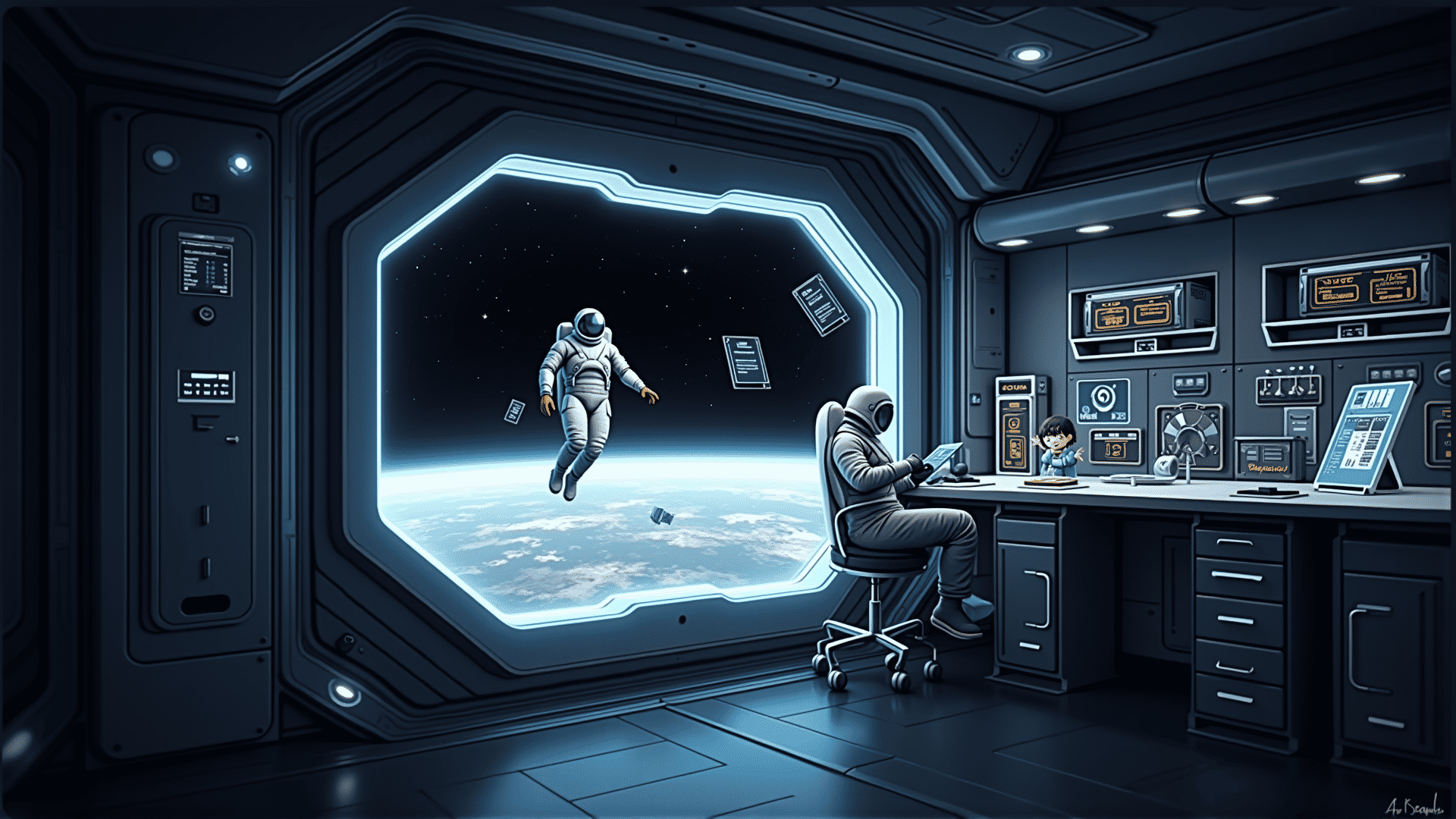
Space exploration has always been a frontier of human ingenuity and curiosity, pushing the boundaries of what is possible. In recent years, this endeavor has increasingly focused on human research, as scientists and astronauts work to understand the challenges of extended space travel and prepare for potential interstellar journeys. These research projects are providing invaluable insights into not only the technical aspects of space travel but also the physiological and psychological impacts of long-term missions on astronauts.
One of the primary areas of focus in human research is understanding the effects of microgravity on the human body. The International Space Station (ISS) continues to be a pivotal platform for conducting these studies. Prolonged exposure to a microgravity environment can lead to muscle atrophy and bone density loss. To counter these effects, the ISS is equipped with specialized exercise equipment designed to allow astronauts to maintain their physical health. Researchers monitor these activities closely, examining various exercise regimens and their effectiveness at mitigating muscle and bone deterioration.
In addition to physical health, mental well-being is also a crucial component of human research in space. Astronauts are frequently subjected to isolation, confined spaces, and long periods away from family and friends. Psychological studies conducted on the ISS seek to understand the impact of these conditions on mental health. The findings are essential for designing supportive measures and training programs to ensure astronauts can maintain focus and cope with the unique stresses of space travel.
Nutrition is another critical aspect under investigation. The development of suitable food sources that are nutritious, long-lasting, and appealing is key to the success of lengthy missions. Researchers are exploring the cultivation of fresh produce aboard the ISS using hydroponic systems. Experiments with growing plants in microgravity provide insights into not only sustainable food production but also the psychological benefits of tending to living organisms far from Earth.
Technological advancements are equally vital to the future of interstellar travel. Human research extends into studying how advanced technologies can be integrated into space missions. For instance, research into autonomous systems is paving the way for spacecraft that can navigate and manage resources with minimal human intervention, which is crucial for deep space missions where immediate communication with Earth isn't feasible.
Medical research in space is also breaking new ground. The microgravity environment offers unique conditions for studying diseases and biological processes. For example, experiments on protein crystal growth aboard the ISS are contributing to drug development on Earth, including treatments for various ailments such as muscular dystrophy and osteoporosis.
As we look to the future, these human research projects are indispensable for paving the way for missions beyond Earth's orbit. Organizations like NASA, ESA, and private companies like SpaceX are actively planning missions to the Moon, Mars, and beyond. The knowledge and technology emerging from human research trials today are setting the groundwork for these ambitious goals.
In conclusion, human research in space exploration represents a crucial step toward achieving sustainable human presence beyond Earth. By addressing the challenges of long-duration spaceflight through comprehensive research, we are preparing not only for future missions to the outer planets but also for the day when interstellar travel becomes a reality. This ongoing work continues to inspire and expand the possibilities of human exploration, promising a future where the stars are closer than ever before.